Alcohol-Induced Appetite Disinhibition
Understanding increased food intake and appetite regulation changes during alcohol consumption
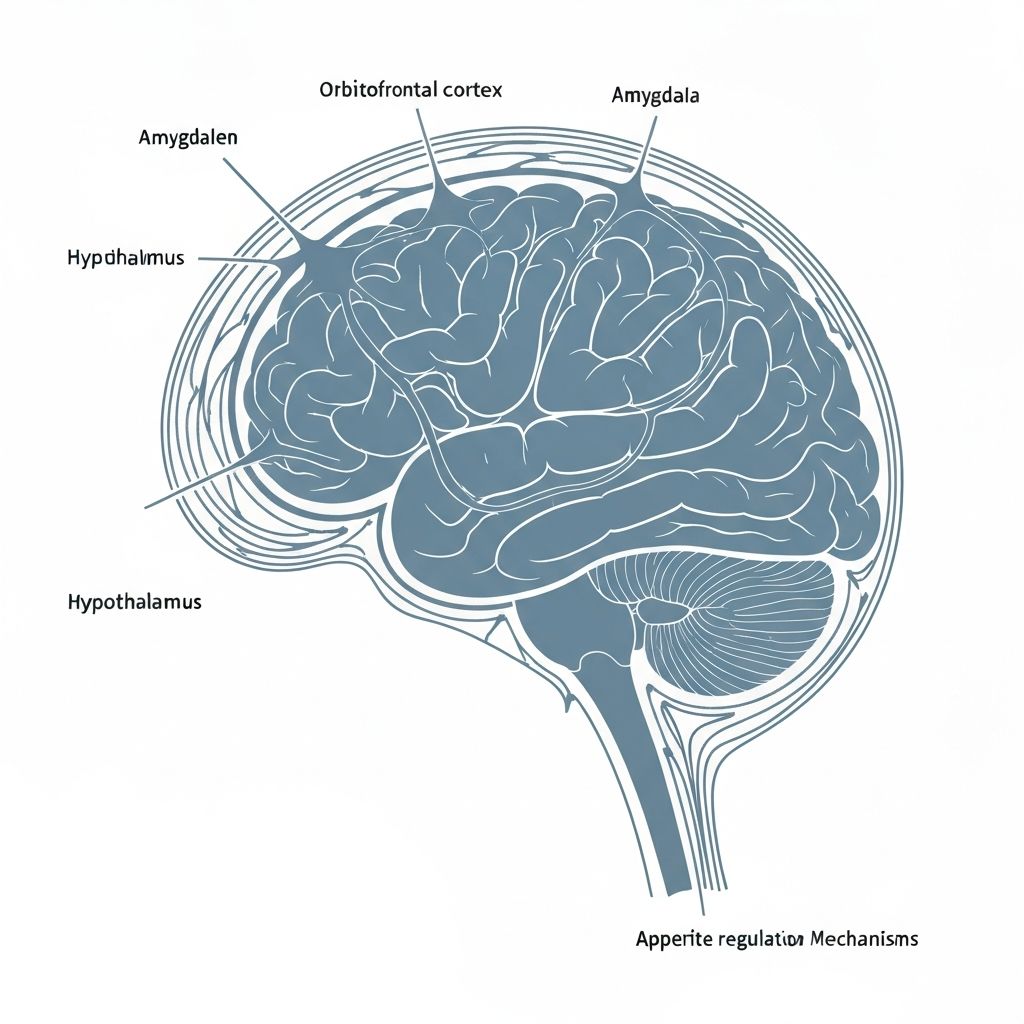
The Disinhibition Phenomenon
A frequently observed pattern in alcohol research is increased food consumption during or following alcohol intake. This phenomenon is termed alcohol-induced disinhibition and refers to the tendency to eat more food than would typically be consumed in the absence of alcohol, often resulting in a net energy surplus.
Importantly, this increase in food intake often exceeds the energy provided by the alcohol itself. For example, a person might consume 200 calories of alcohol alongside 400 additional calories of food, when normally they might consume only 200 calories of food in an equivalent time period.
Hormonal Mechanisms
Alcohol consumption alters the signaling of several hormones crucial to appetite regulation. Leptin, a hormone produced by adipose tissue that signals energy sufficiency to the brain, is typically reduced following alcohol intake. Lower leptin signals hunger, promoting increased food seeking and consumption.
Simultaneously, changes in ghrelin and other appetite-stimulating hormones can occur, further promoting hunger sensation. These hormonal shifts create a physiological state conducive to increased eating.
Central Nervous System Effects
Beyond hormonal mechanisms, alcohol directly affects brain regions controlling appetite and satiety. Ethanol influences neurotransmitter systems, particularly those involving dopamine and serotonin, which modulate food reward perception and inhibitory control over eating behavior.
This central effect reduces the psychological and neurological barriers to overconsumption, enhancing the palatability of available foods and weakening the inhibitory signals that would normally lead to satiation.
Impaired Decision-Making
Alcohol consumption impairs prefrontal cortex function, the brain region responsible for executive function and decision-making. This impairment can weaken the ability to resist food cues and to follow internally set dietary intentions, contributing to passive overconsumption.
Research Evidence
Controlled studies measuring ad libitum food intake in the presence and absence of alcohol consistently show increased consumption during alcohol conditions. These effects have been documented across diverse populations, food types, and study designs, lending credibility to the phenomenon.
Compensation Failure
A key aspect of the disinhibition effect is that individuals typically do not compensate for the extra food calories consumed during alcohol occasions by reducing intake at subsequent meals. This lack of compensatory restriction contributes to a net positive energy balance over time.
Educational content only. No promises of outcomes.
Related Articles
Ethanol Oxidation Priority in Human Metabolism
Alcohol and Suppression of Fat Oxidation: Acute Effects
Endocrine Responses to Alcohol Consumption
All Research Articles